
This article was migrated from our previous website and, due to its age, some content, images, links, or details may be incomplete or unavailable.
For general inquiries, please contact info@cfig.ca. For questions regarding press releases or media content, please contact marketing@cfig.ca.
ONTARIO FOOD TERMINAL UPDATE
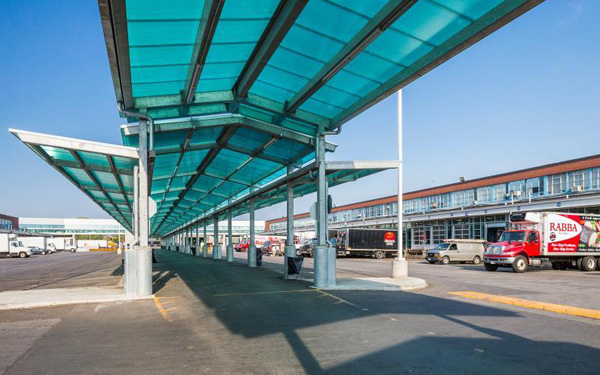
One of the most critical components in helping independent grocers in Ontario compete on an already uneven retail landscape, is the presence of the Ontario Food Terminal (OFT). This private-public partnership provides independent grocers and restaurants with the opportunity to source fresh, local produce and provides a point of differentiation between independents and chains. This is also a vital hub for Ontario farmers and producers, enabling them to have market access to independents.
While the OFT operates under the auspices of the Ontario government, it receives no government funding. Operations are paid for by the users. Over the last 10 years, approximately $47 million in upgrades have also been implemented with more capital improvements planned for the next 10 years.
It recently came to the attention of CFIG, indirectly, that the Ontario Government was, as part of its asset review process, looking at selling the OFT site and relocating to a new, undetermined location. This possibility has sparked concern with stakeholders using the terminal. The current location provides many logistical advantages, but a primary concern for CFIG is that with a move to a new location, what the impact on costs will be to vendors and retailers alike. The current location is already paid for. The capital cost of acquisition for a new facility would very likely have to be financed by increasing costs and fees for both tenants and buyers alike.
CFIG met earlier this month with the Ontario Minister of Agriculture and Food, Ernie Hardeman. We devoted almost the entire meeting to discussing the OFT and explaining to the Minister that in the context of an already overly consolidated food industry, the sale and relocation of the OFT would have potential negative consequences for our members, farmers and producers in the province. We also pointed out that as the only province in Canada with a Food Terminal, the OFT provides an overall competitive advantage for Ontario.
The Minister has also established an Advisory Agricultural Task Force to review and discuss issues that impact the agri-food industry. At our meeting with the Minister, we asked that an independent grocer be added to the Task Force, particularly if the review of the OFT was part of its mandate. We are pleased that the Minister has agreed to this request and will accept a nomination of an independent grocer.
The OFT is important to independent grocers today and for the independents of tomorrow. Accordingly, in the next few days, we will be sending our members a template letter for you to send to your local MPP. Your provincial representative needs to understand what the Terminal is, how important it is to our agri-food industry and the impact changes could have on their local grocers, restaurants, farmers, processors but ultimately on the products available and the prices paid by their constituents.

UPDATE ON SALE OF WINE & BEER
On another issue of concern to Ontario independents, CFIG has participated in consultations with the Ontario government with respect to the campaign commitment made to open up the sale of beer, wine and spirits into all grocery and convenience stores. Again in April, CFIG also met with Ken Hughes, who has been hired to advise the Premier and the Minister of Finance, on the implementation of this rollout. The dialogue was open, constructive and Mr. Hughes demonstrated a good understanding of the realities of the retail landscape and a genuine interest in hearing our perspectives.
Two key areas of concern that we raised was that there needs to be a minimum price established for the sale of these products. The dominance by chains in the retail grocery industry would allow them to use their leverage in setting price that would put independents at a distinct competitive advantage. Squeezing the vendors in this area would have an impact on how craft brewers, wine producers and other suppliers in the spirits category, deal with smaller players in the market.
As well, CFIG reiterated the need to have more flexibility for margins in order to make the sale of these products sustainable for our members. Incidentally, other stakeholders, such as the Ontario Convenience Store Association and the Ontario Craft Brewers support our arguments.
CFIG members have expressed a clear desire to sell beer, wine and cider. We believe this compliments the shopping experience, provides convenience for the customer and also opens up a myriad of opportunities for cross merchandising. Conversely, the introduction of spirits is not particularly something most grocers want, and we indicated that to the government. But the view, at this time, seems to be that the government will leave it to the individual retailer to make that decision.
CFIG also reiterated our support to the government for opening up the sale to all grocery stores and applaud them for moving away from the current model, which picks winners and losers. That should not be the role of any government regulatory model. We will keep our members updated as more information becomes available.
As always, we welcome your questions, comments or suggestions! We are YOUR voice. Thank you for your continued support.