
This article was migrated from our previous website and, due to its age, some content, images, links, or details may be incomplete or unavailable.
For general inquiries, please contact info@cfig.ca. For questions regarding press releases or media content, please contact marketing@cfig.ca.
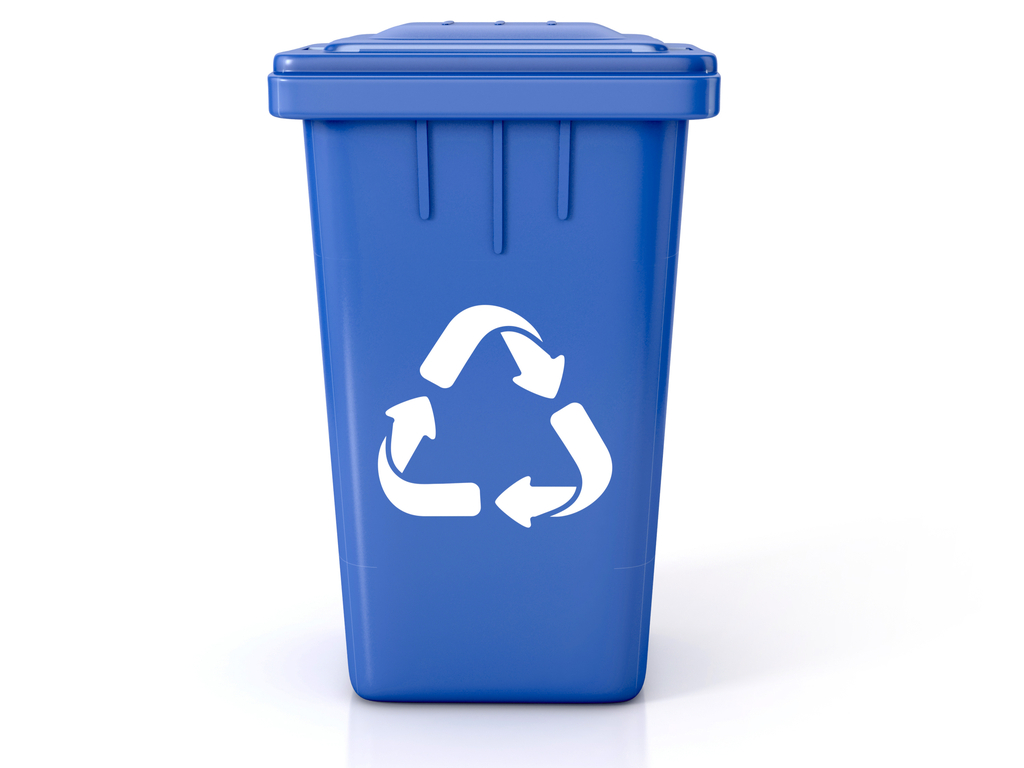
Our Made-in-Ontario Environment Plan commits to moving waste diversion programs, including the Blue Box Program, to the producer responsibility model to provide relief for taxpayers and reduce the amount of valuable materials that end up in landfill.
The ministry has developed a proposed producer responsibility regulation for the Blue Box Program under the Resource Recovery and Circular Economy Act, 2016 and proposed amendments to Ontario Regulation 101/94.
The proposed regulation makes producers responsible for providing collection services to local communities, managing blue box materials, and establishing targets to increase diversion rates, tackle plastic waste and protecting the environment.
The ministry is committed to continuing the consultation and is sharing the proposed regulation for further feedback before finalizing the regulations by the end of 2020.
The proposed regulation identifies responsible producers for the scope of blue box materials that must be diverted and enable them to contract with producer responsibility organizations (PROs) to meet their regulatory requirements.
The proposed regulation would include printed paper, packaging, and non-alcoholic beverage containers, and expand collection requirements to include additional materials commonly put in blue boxes by residents:
- Unprinted paper;
- Single-use packaging-like products, such as foils, wraps, trays, boxes, bags; and
- Single-use items relating to food and beverage products such as straws, cutlery, plates, stir sticks.
The proposed regulation would maintain the accessibility and performance of existing deposit-return programs for alcohol beverage containers.
The proposed regulation would maintain or expand blue box services, including in communities with less than 5,000 residents. Producers would take responsibility for local Blue Box programs between 2023 and 2025 according to the proposed “Blue Box Transition Schedule” referenced in the proposed regulation. Producers would be fully responsible for all requirements, including expanding collection to communities outside the Far North that currently do not have blue box services, by 2026.
The proposed regulation also outlines a number of requirements that producers of Blue Box program will need to meet, including:
- Reporting on the amounts of blue box materials supplied and diverted each year
- Establishing collection systems, providing one convenient and accessible Common Collection System (CCS) for blue box materials in Ontario including small municipalities, unorganized territories and reserves and ensure no disruption
- Achieving management requirements for blue box materials, including diversion targets
- Providing promotion and education materials to increase consumer knowledge and awareness
- Registering with and reporting to the Resource Productivity and Recovery Authority
- Other requirements, including record keeping and third-party audits
Compostable materials are increasingly being used in products and packaging but are often managed separately from other blue box materials. The ministry is currently working with partners, including stakeholders and the federal government, on a comprehensive approach to diverting compostables. The draft regulation would require producers to register and report on the supply of these materials in Ontario to help inform future producer responsibility requirements.
In order to make the proposed regulation, the ministry would need to amend the Resource Recovery and Circular Economy Act, 2016 to ensure the government has the authority in the proposed producer responsibility regulation to meet Ontario’s environmental policy objectives, including to:
- Give rule-making powers to the producers and/or their PROs that develop the common collection system so they can write the system’s rules; and
- Hold both producers and their PROs accountable for collecting from blue box eligible sources, meeting service standards (e.g., for frequency of collection) and other obligations.
The ministry is also proposing regulatory amendments to Ontario Regulation 101/94: Recycling and Composting of Municipal Waste that would sunset municipal obligations to run Blue Box systems once their blue box services have been transitioned to producer responsibility.
The ministry is requesting feedback on whether additional provisions are needed to support producer responsibility and an effective Common Collection System. This could include provisions to:
- Require Producer Responsibility Organizations to provide financial assurance or performance bonds as a condition of developing the rules for the Common Collection System
- Direct or encourage parties that are developing the rules for the Common Collection System to mediation, arbitration, or other dispute resolution processes during the development of the rules
- Affirm that producers have access and ownership to blue box materials that are put out for collection by residents and eligible facilities
The ministry values your input and would like to invite you to review the proposed regulation and amendments to the Acts and share your written feedback. Feedback on these regulations is due to the ministry by December 3, 2020.
For more information about the producer responsibility regulation for the Blue Box Program, please see the attached file or visit the Environmental Registry: https://ero.ontario.ca/notice/019-2579.
Download PDF Documents: